
The executive director of the nonprofit organization Student Leadership Services discusses its new partnership with the Jamie Daniels Foundation — and how it empowers adolescents to say ‘no’ to risky behaviors.
By Stacey Winconek
“Everyone is doing it.”
“It’s no big deal.”
“Just try it.”
At some point in adolescence, your teen will hesitate to accept an offer to vape, drink alcohol, or take drugs — and those phrases may be what they hear from a peer. For 21% of those teens, that pressure has led to the use of an illicit drug at least one time, according to the 2021 National Survey on Drug Use and Health.
Many young people feel they must fit in, want to avoid rejection, or meet expectations set by peers or social media. Over time, this constant pressure can worsen mental health challenges, contribute to risky decision-making, and make it harder for youth to develop healthy coping skills.
That’s why learning to say “no” confidently is essential, but it takes support and coaching. Thanks to Student Leadership Services, Inc., that support comes from fellow teens through their Students Leading Students program.
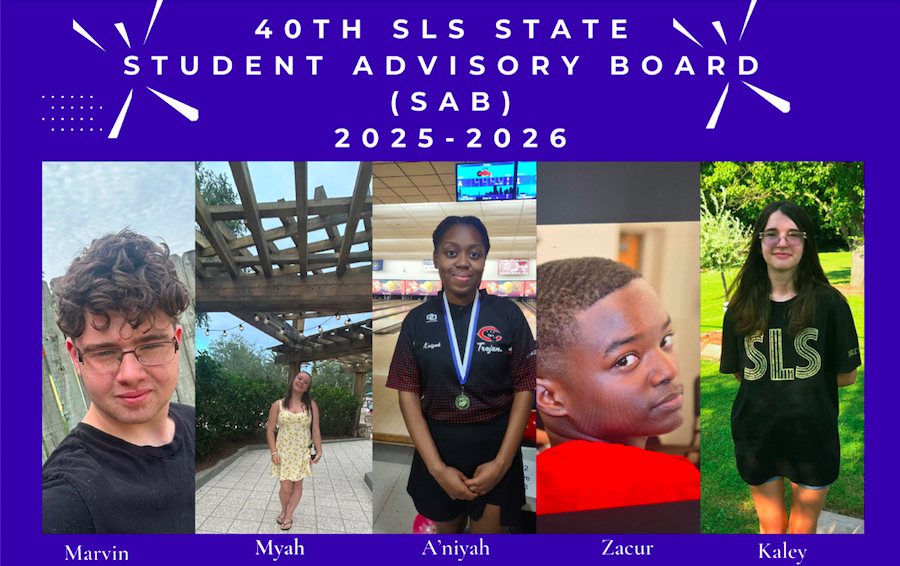
Student Leadership Services (SLS), which was founded in 1982, is a Michigan-based, nationally certified nonprofit that helps youth stay safe from drugs, alcohol, and peer pressure while supporting their overall well-being. Through evidence-based, student-led prevention programs — including Students Leading Students for high schoolers, adult mentorship, and strong community partnerships, SLS empowers adolescents to say “no” to risky behaviors.
“We work with middle schools and high schools across the state, and we focus on drug prevention, leadership skills, life skills, mental health, and safe driving — basically any adolescent issue. We form student-led groups, and their mission is saving lives, and helping their friends make positive, healthy choices so that they can live to be 100,” says Dawn Flood, the executive director of SLS.
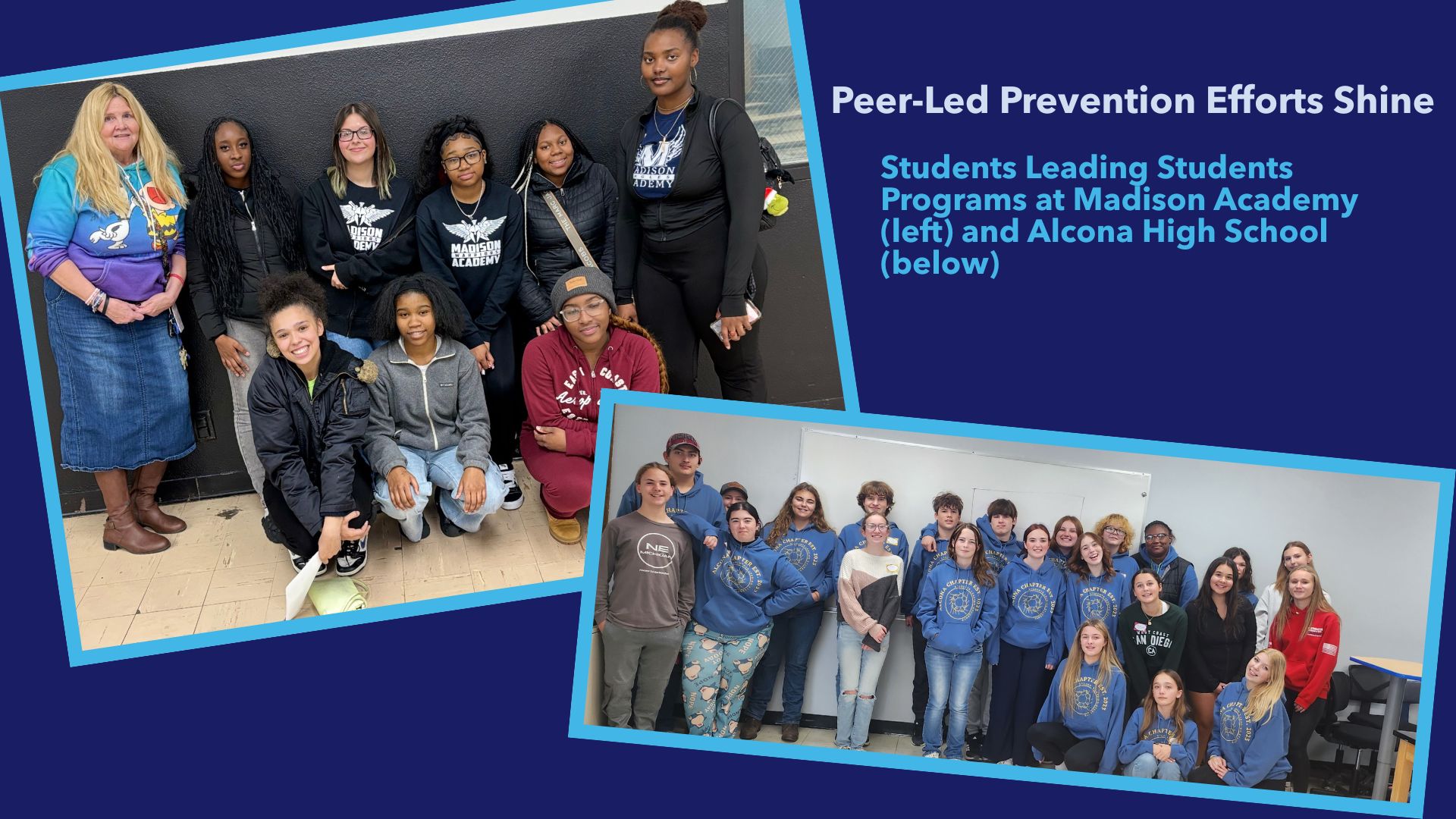
Today, the Jamie Daniels Foundation is partnering with SLS to fund Students Leading Students mentor groups at five high schools, including Alcona High School in Alcona, Freeland High School in Freeland, Gaber High School in Essexville, Madison Academy High School in Burton, and Taylor High School in Taylor. Through this partnership, the Jamie Daniels Foundation will continue to expand its prevention work across the state of Michigan.
Through this mentorship program, these five schools will recruit five additional schools to start their own SLS programs, potentially impacting hundreds of students, and further extending the message of healthier lifestyles and promoting positive decision-making skills.
“The students are the boots on the ground,” Flood says. “They’re looking at where their friends are, who they know, and they are reaching out to the admin at the other school and say, ‘Hey, this is an opportunity. Would you be interested?’ Then they go and present to that school.”
Group start-ups and benefits
It only takes one student to start an SLS group at their school, and Flood says some groups have started with one student and have grown to include up to 80 students.
“Sometimes we’ll start with five passionate students, and part of their mission is to grow the group,” she adds. To get started, Flood and her team talk to students about issues they are facing and ultimately let students decide their main focuses for the year. For some, issues include substance use or mental health, and for others, it’s safe driving. Once they decide the focus, Flood and her team visit schools to lead conferences, workshops, and hands-on activities with Students Leading Students groups and their advisor, who is an adult from the school.
The power of these groups is undeniable. According to an 8-year study by Wayne State University that evaluated the SLS program. During this time, they compared students in the program with those who were not. The research found that SLS students developed stronger resistance skills, including the ability to say “no” to substances while still maintaining friendships. The students also showed lower substance use, both in the past 30 days and over their lifetime, and had greater awareness of the health and social consequences of substance use.
“Students in SLS received the same amount of inappropriate social media messages and text messages as other students when it came to bullying and stuff, but they intervened,” she says. “They were able to stop it, meaning they didn’t pass it on. They didn’t show their friend. They did something about it.”
Additionally, students felt a stronger sense of connection to their school, believing their voices were heard and that they mattered, which made them more engaged and excited to attend school. “It draws the students who haven’t ever been a part of something,” she says. “They’re not your athletes. They’re not your academics. They’re not your leader, but they’re looking for a place to belong, and they find a place in SLS.”