With a grant from the Jamie Daniels Foundation, Michigan Technical University created programs for substance misuse prevention, education, and recovery support efforts for the first time.
By Stacey Winconek
Access is an important piece of the puzzle when it comes to substance use disorder prevention and recovery. With busy class schedules, extracurricular activities, and other obligations, students need different ways to access support and resources. But at Michigan Technological University, a university of 7,400 students located in Michigan’s rural Upper Peninsula, access to substance use education, treatment, and recovery services can be challenging.
When it came to helping students with substance use disorder thrive in a college setting, Michigan Tech needed help — so they turned to the Jamie Daniels Foundation. The Jamie Daniels Foundation provided two grants — one in 2025 and the other in 2026 — to Michigan Tech to help establish and build a collegiate recovery program on campus. This allowed Michigan Tech to implement programs to give students access to support and resources to combat substance use disorder or stay in recovery while they pursue their education.
“Substance use education and recovery support can look different on different campuses, and it has been very helpful that the Jamie Daniels Foundation understands that,” says Sarah Woodruff, Assistant Director of Outreach with the Center for Student Mental Health and Well-being at Michigan Tech. “We are in a very rural area with very little substance use and recovery services or qualified treatment professionals. That makes it especially important to build recovery support on campus for students who arrive in recovery, while also providing prevention education to help students make informed decisions about substance use.”
Meeting students where they are
Thanks to the grants, the Center for Student Mental Health and Well-being has expanded its staff to create programs for both prevention and recovery. Through campus outreach events, social media, digital displays, student newsletters, resource tables, QR codes, and one-on-one conversations, the team is reaching students through multiple channels, recognizing that not everyone seeks information or support in the same way.
At the heart of these efforts are two initiatives: Behind the Buzz, a monthly educational series, and The Buzz, a peer support group. These initiatives provide opportunities for education, connection, and peer support. Behind the Buzz Interactive Presentations explore the real impacts of alcohol, cannabis, and other substances. The presentations, coordinated and sometimes led by Gail Ploe, Substance Misuse Consultant with more than 20 years of experience as a certified alcohol and drug counselor and certified prevention specialist, are designed to encourage open conversations, increase awareness, and help students make informed decisions about substance use.
“Gail has been very involved, and we’re very lucky to have her as well because we actually don’t have a lot of certified alcohol and drug counselors here in our area, and very minimal substance use treatment resources,” Woodruff says.
Creating a community of support
Education is an important part of prevention, but creating connections is critical in supporting students in recovery. That’s where The Buzz comes in.
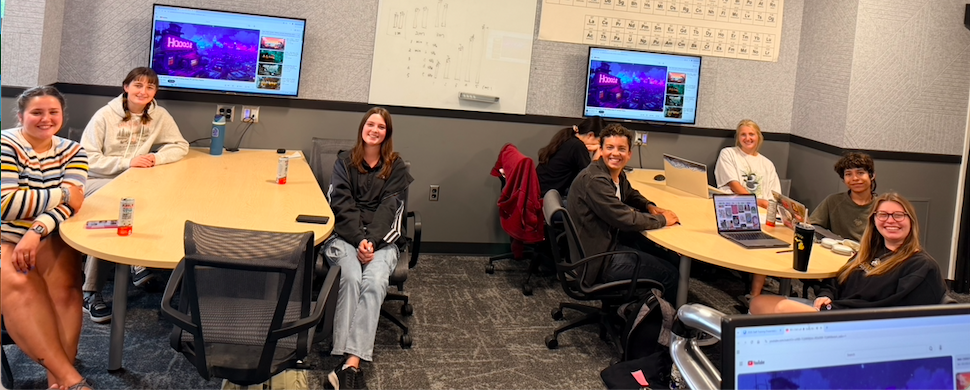
Led by Ploe and Natalie Mliswa, Peer Support Community Leader, The Buzz provides a welcoming space where students can connect with peers, share experiences, and find support from others who understand the challenges they may be facing.
“This is changing the culture on the campus of Michigan Tech because there hasn’t been a comprehensive outreach program around substances,” Ploe says. “There’s an organic social support that happens. One time, Natalie and I were trying to leave, and the students were talking and talking and talking, and so we literally were like, ‘OK, we have to lock up and go.’ And they stood outside in the winter talking, and that’s what you want to see. That’s a huge win because you’re creating a sober social support network, and you’re also addressing the fear and shame that keeps people from walking in that door immediately.”
For Mliswa, one of the program’s greatest accomplishments has been establishing a consistent, welcoming presence for students, whether they attend regularly or stop by when they need someone to talk to.
“What I like about this whole program is we have the door open any time for students,” Mliswa says. “We had regulars, but we also had students who’d come in once in a while. I remember a day when there was a blizzard, and we never thought any student was coming. And there they were, wearing this huge mask and protective gear because they needed to talk. So just having the door open shows that this is a resource that you can use anytime, and we are there for you. I think that has been the greatest achievement.”
Expanding access
Beyond in-person programming, the Michigan Tech team is also working to ensure students have access to information and resources when and where they need them.
As part of these efforts, the team developed a pocket guide designed to put important substance use prevention and recovery information directly into students’ hands.
Through its partnership with the Jamie Daniels Foundation, Michigan Tech is helping ensure students have more opportunities to find information, build relationships, and access support without having to navigate those challenges alone.
For a university where geographic isolation can create barriers to support, these efforts are about more than expanding programming. They’re about creating a campus community where students know they aren’t alone, help is within reach, and substance use challenges don’t have to stand in the way of their education or future.